


stainless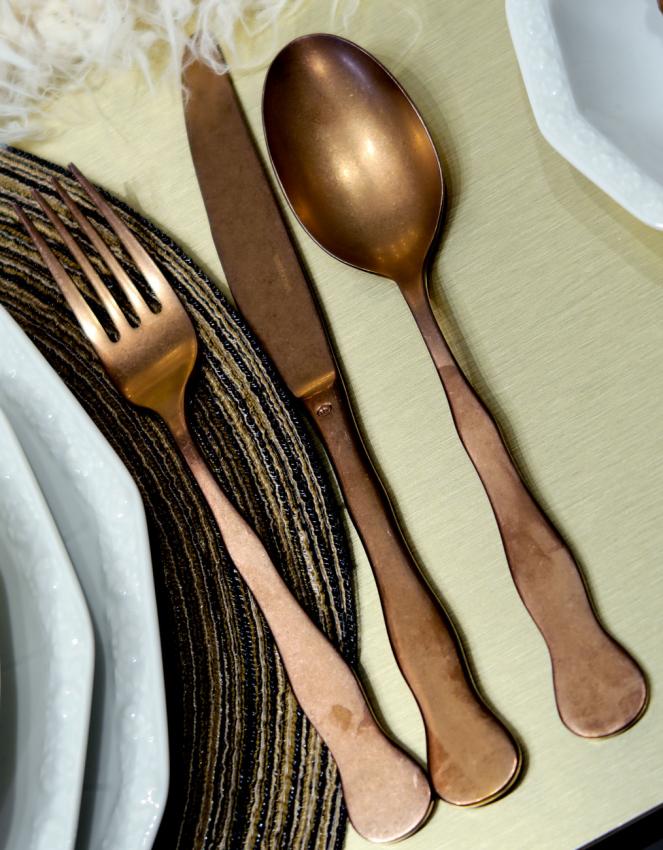
1965 Copper vintage

Italian elegance and opulent
Mediterranean baroque. Sambonet is able to do everything what is made from stainless steel and even a little bit more: new interesting surfaces tested out on the pattern and bring an unexpectedly trendy charm to well-known.

35 collections

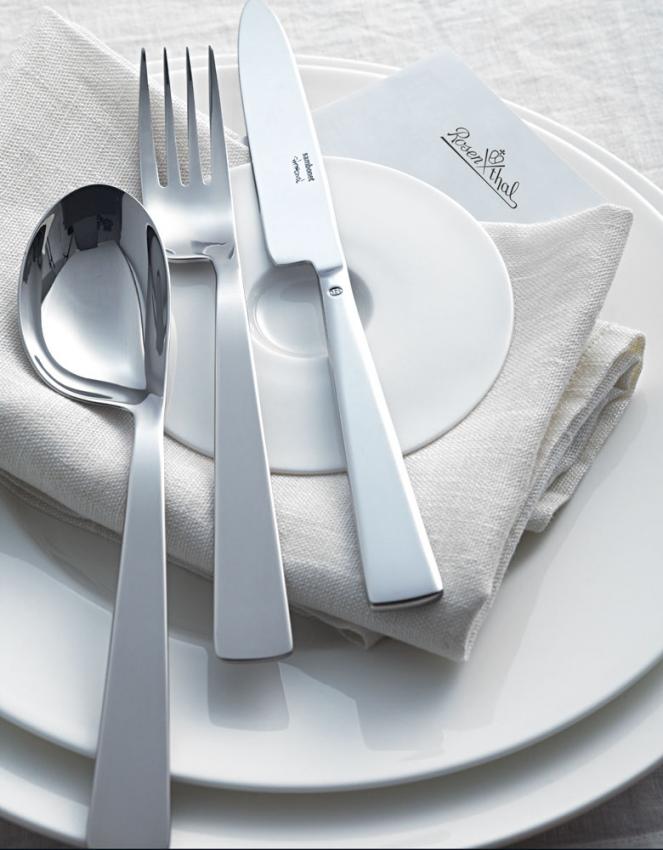
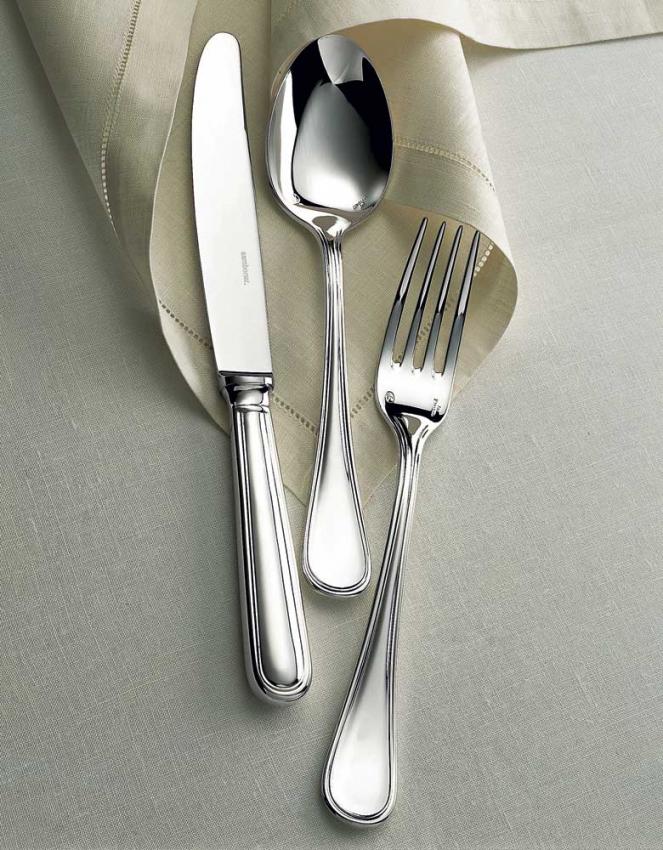

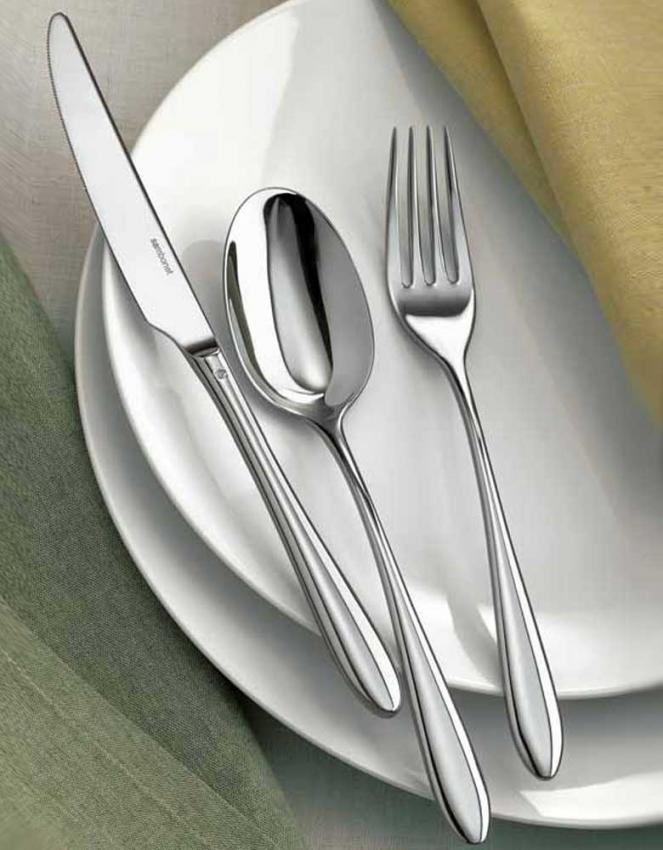
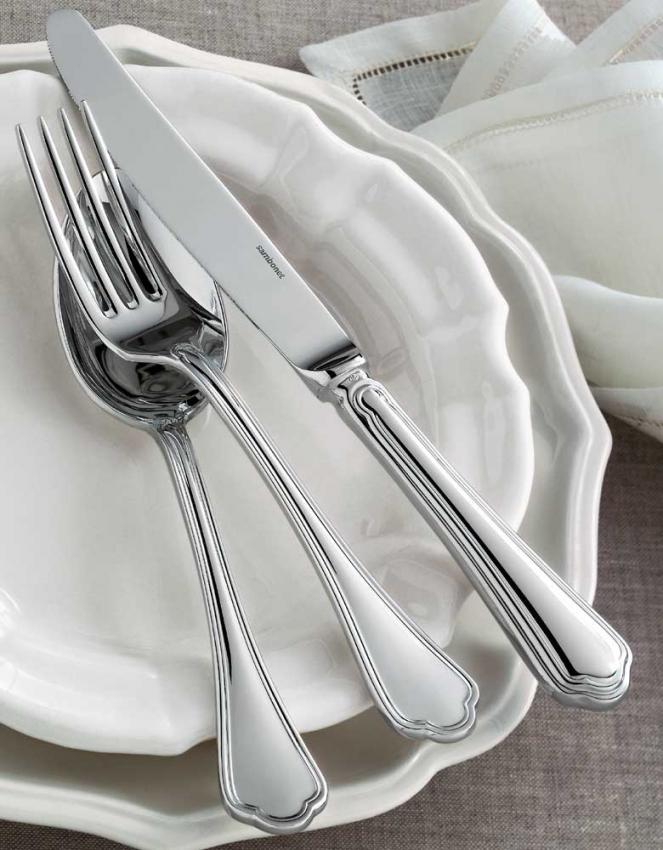
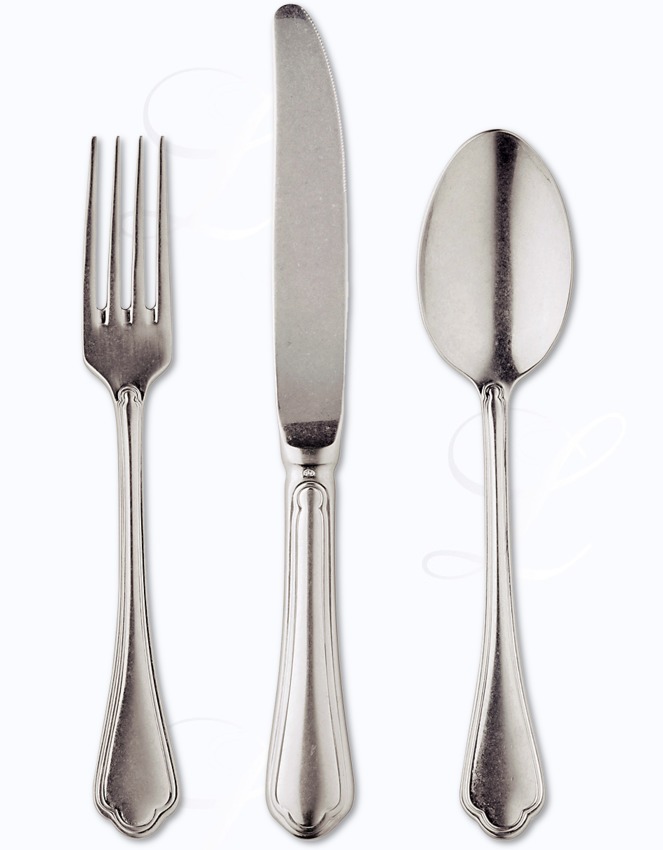
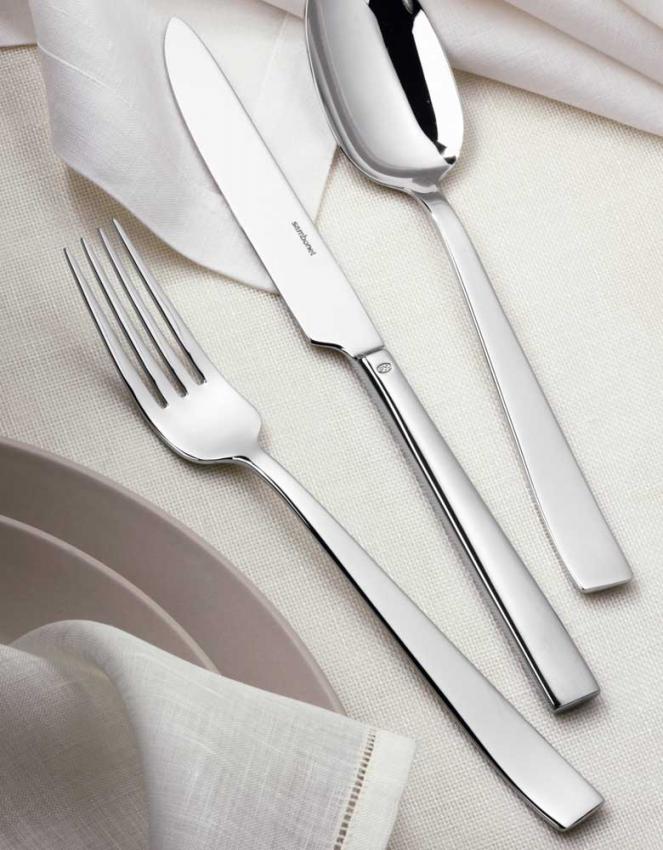
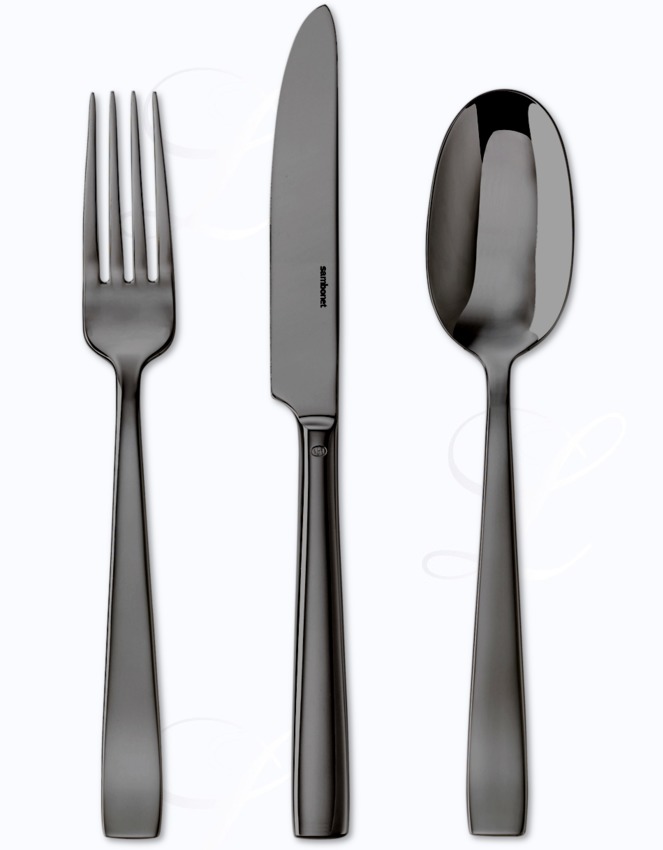
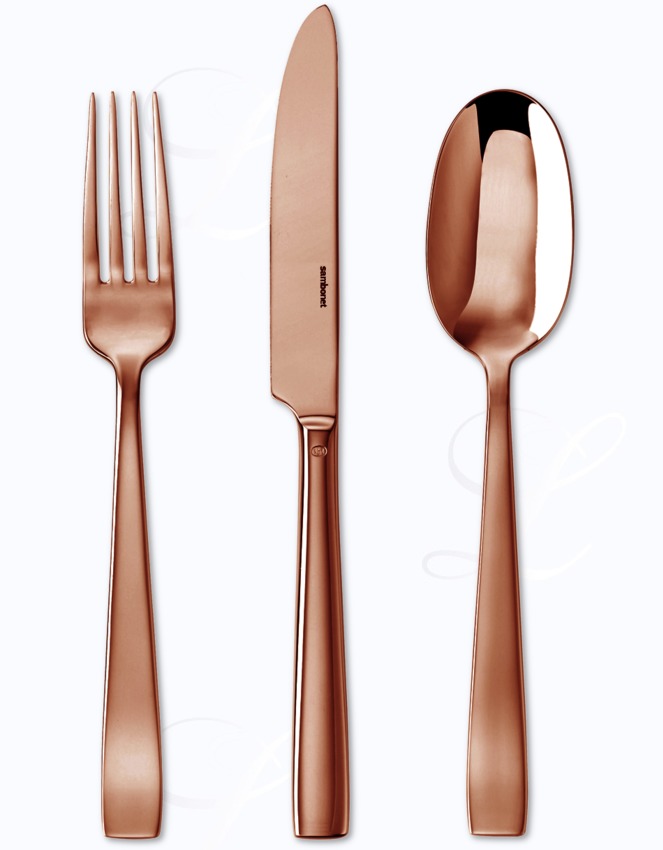
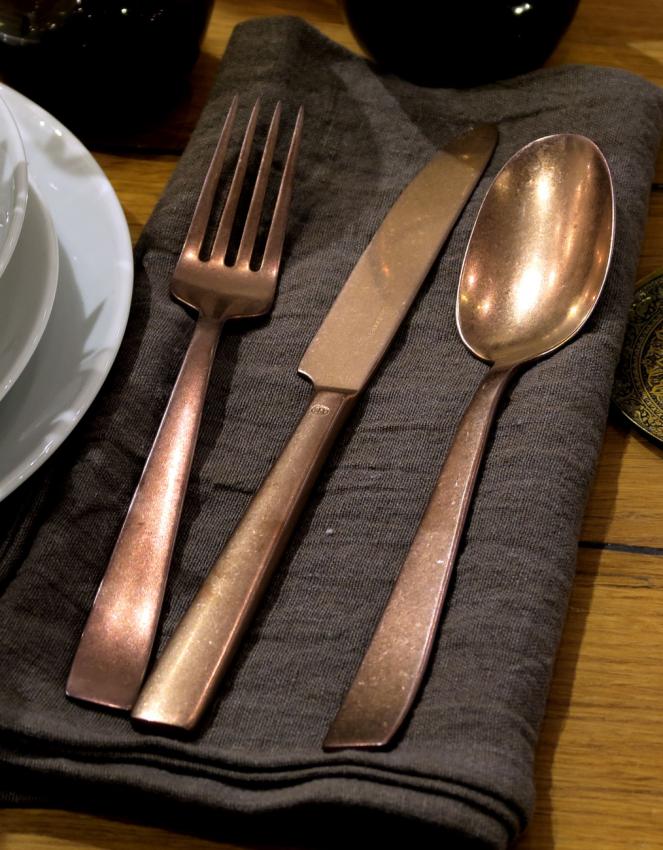
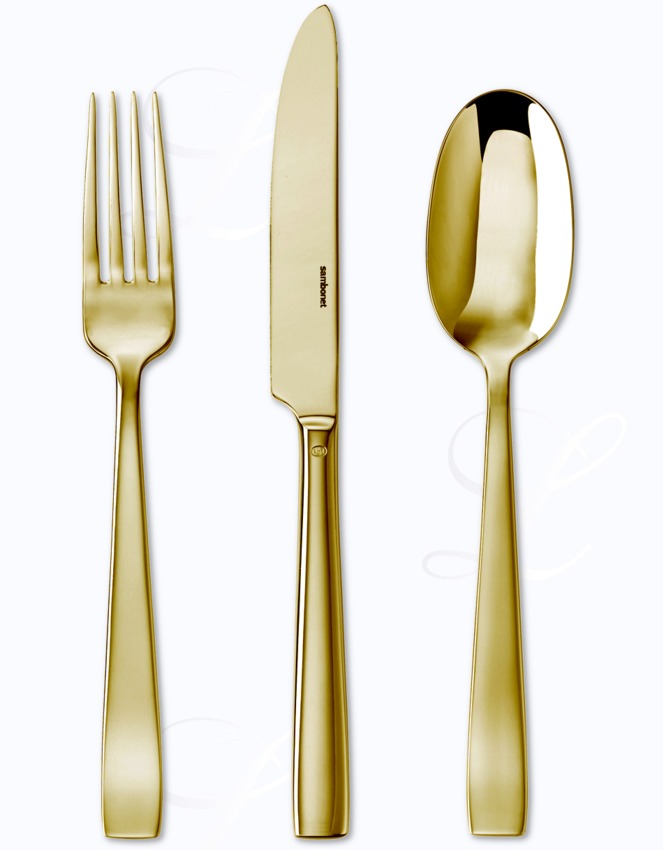
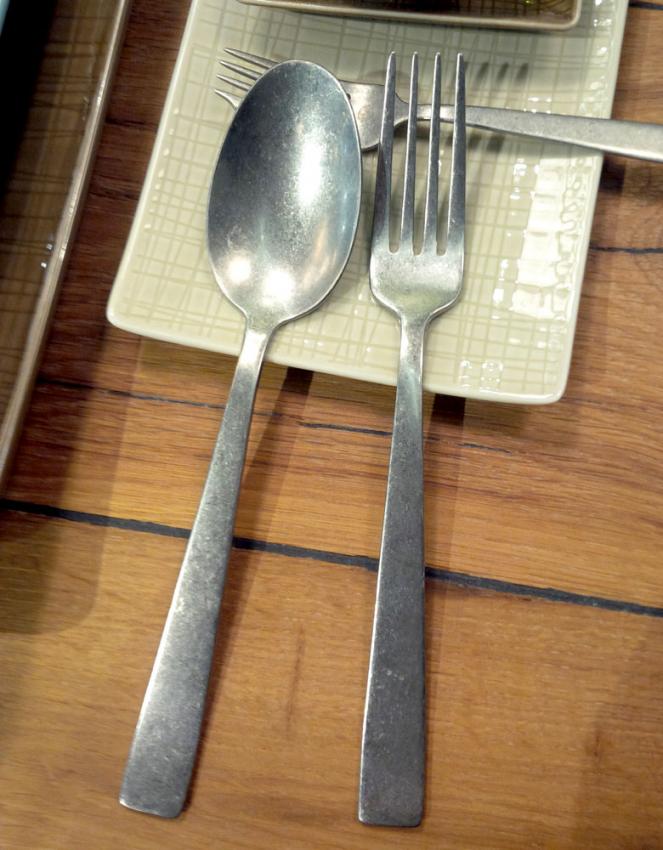
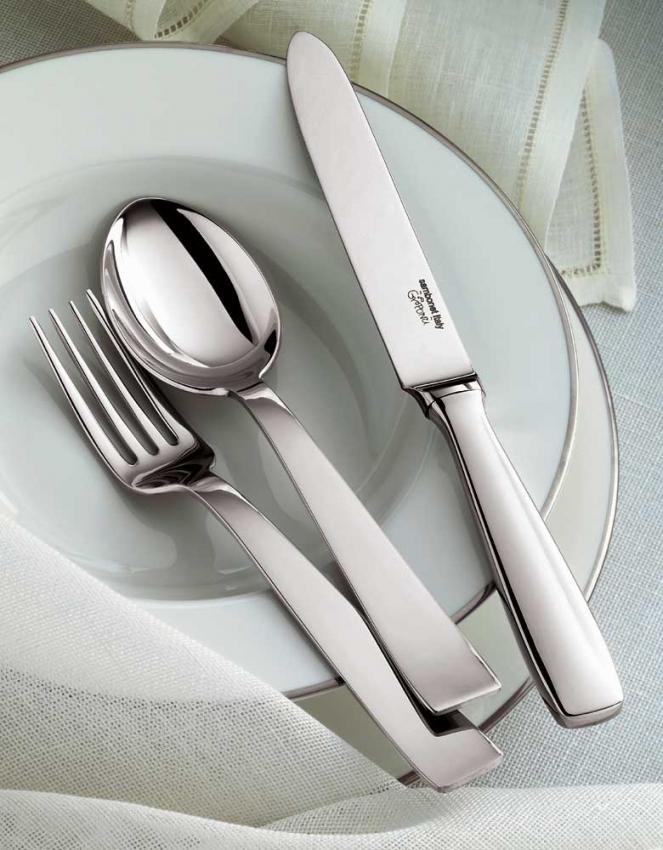
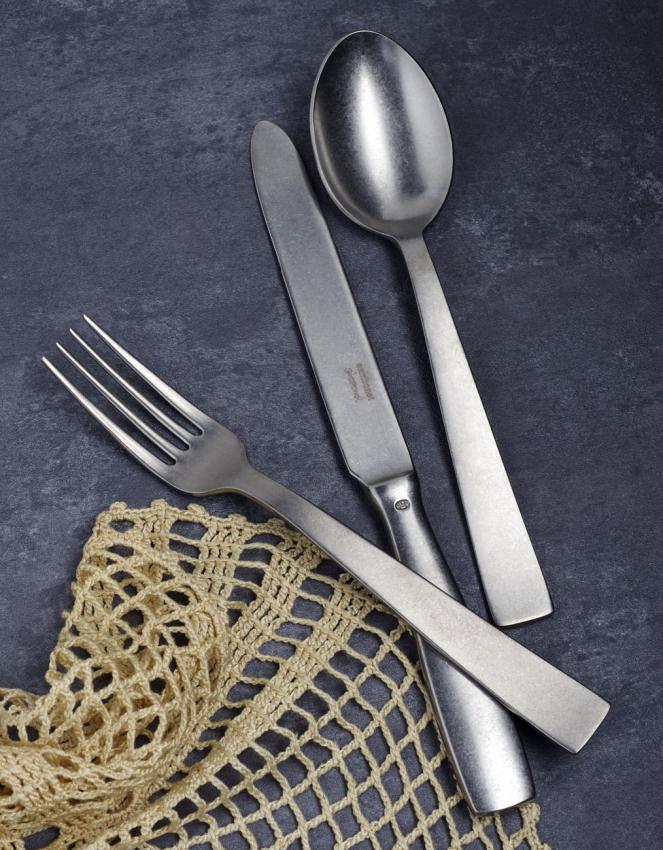
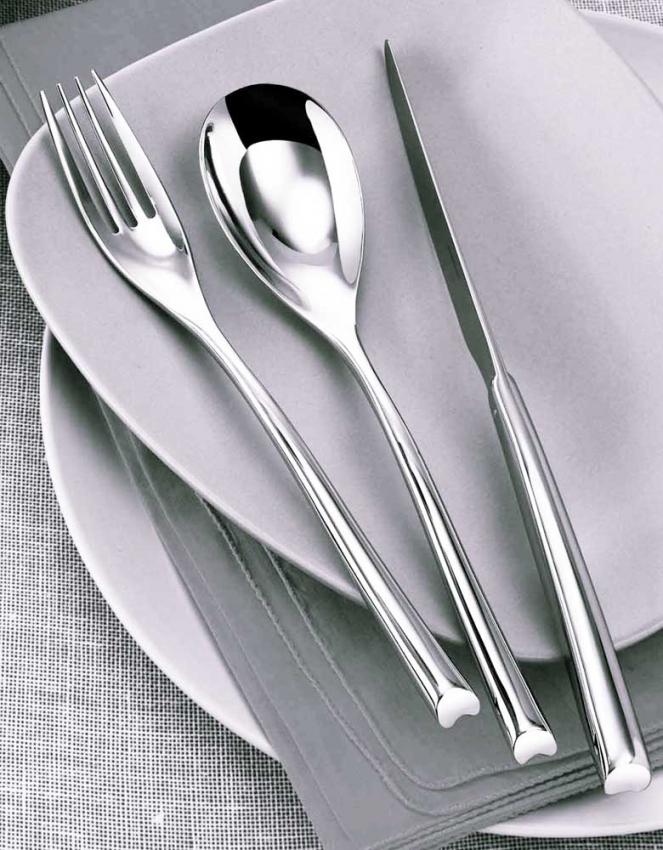
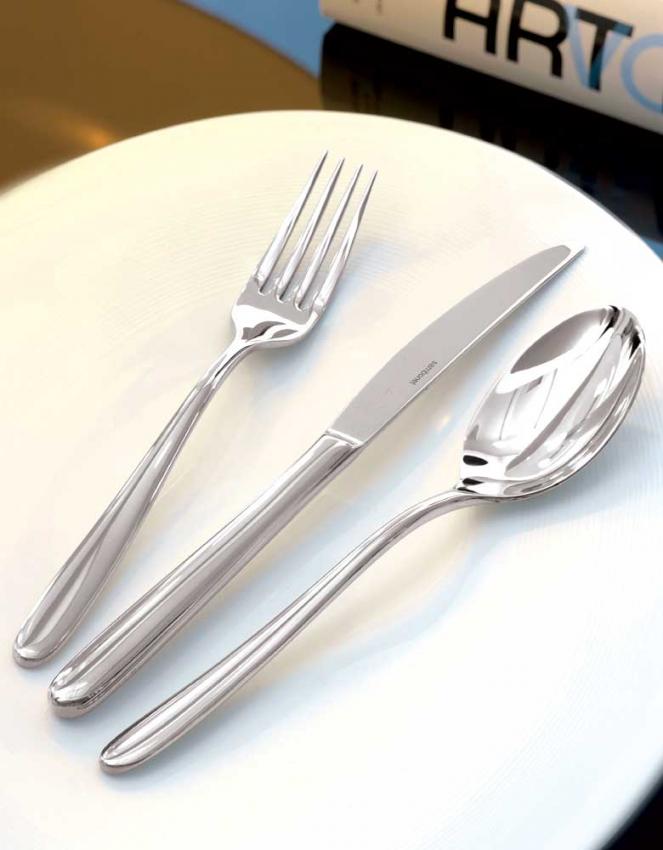
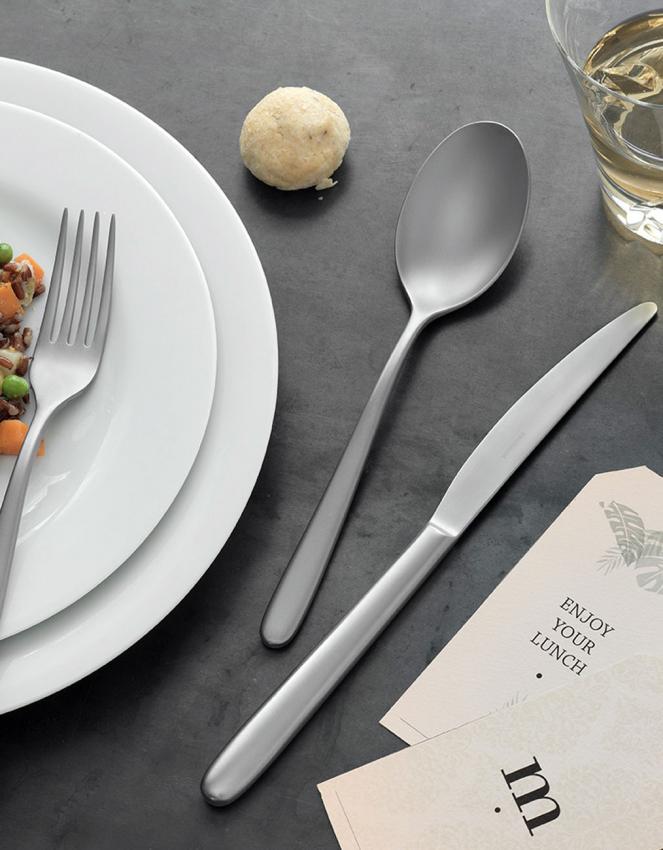

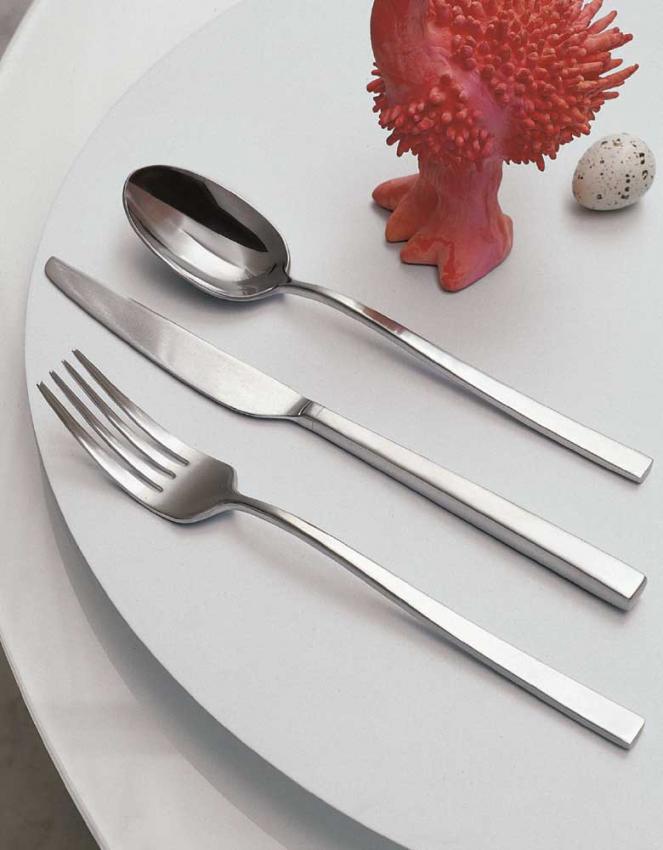
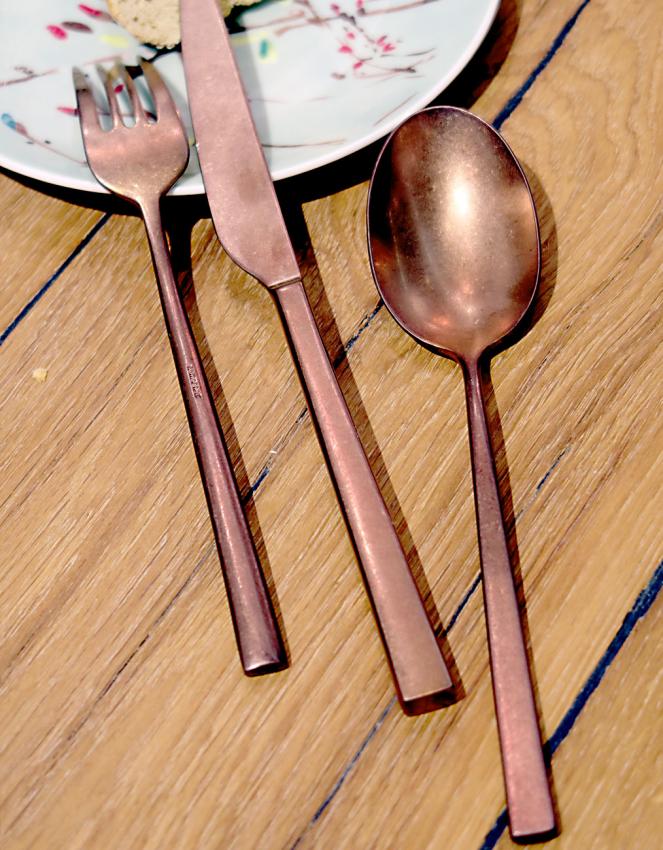
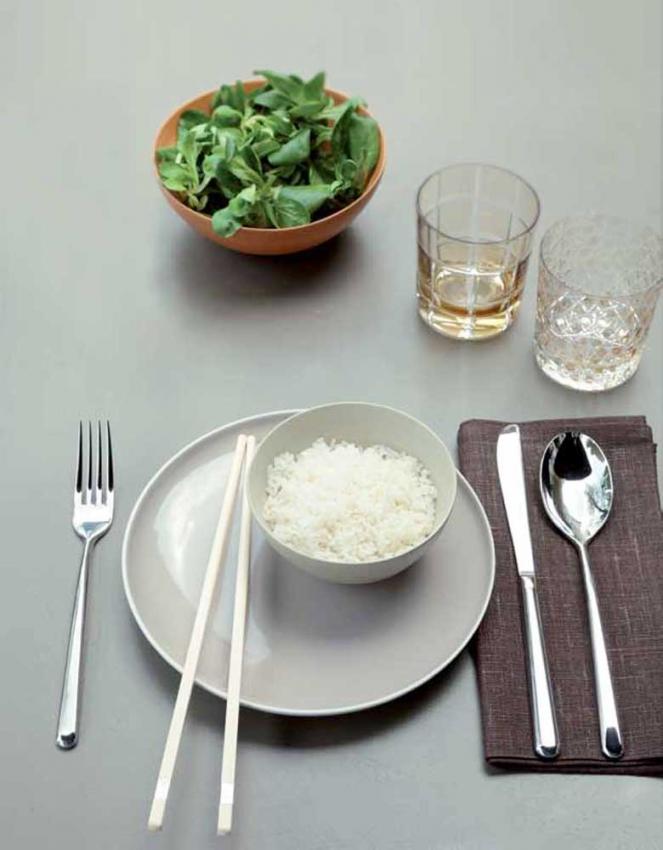
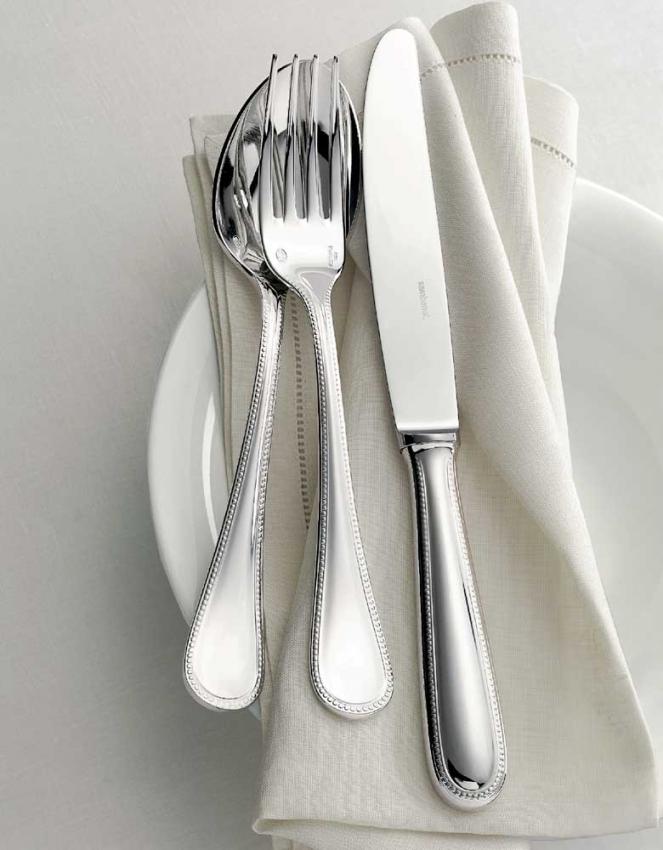
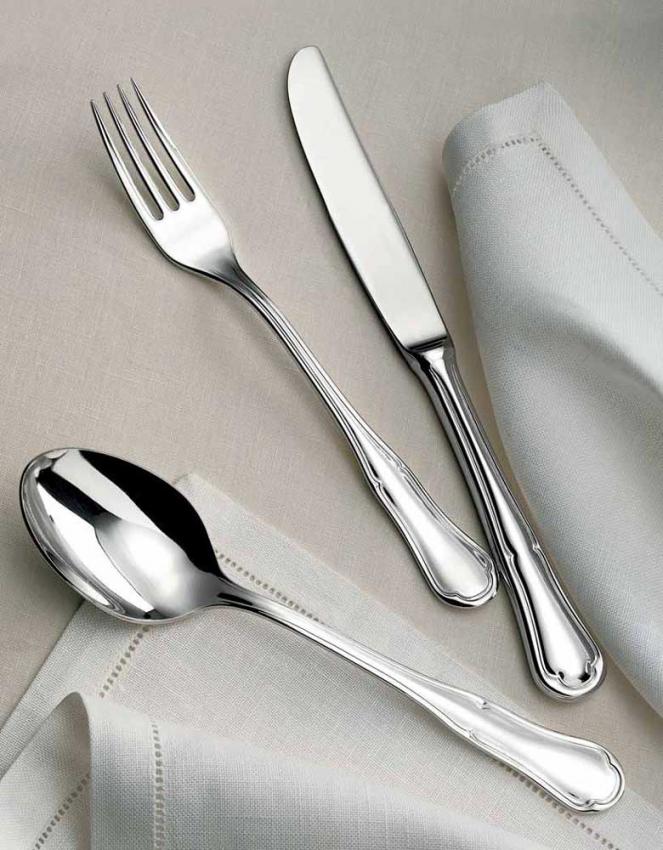
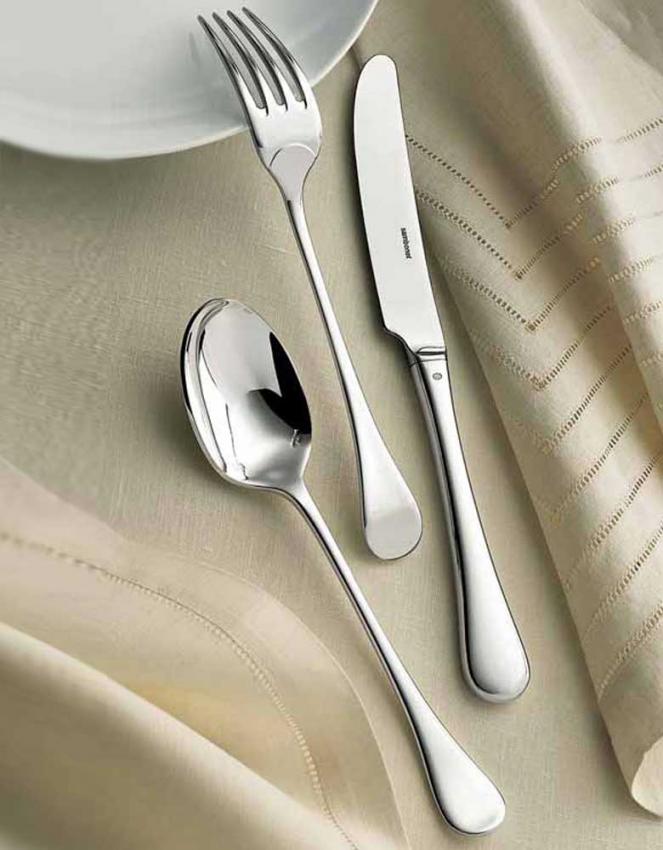
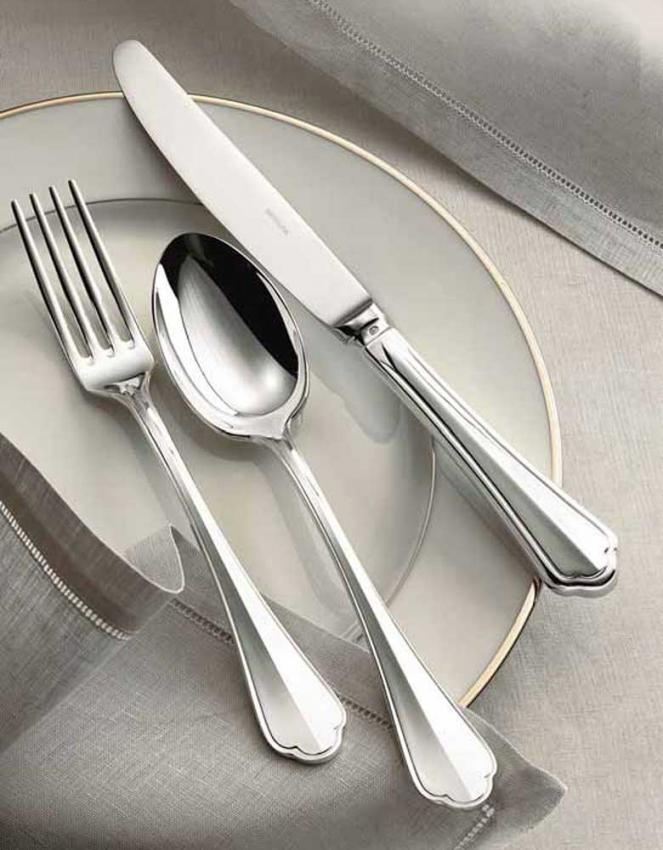
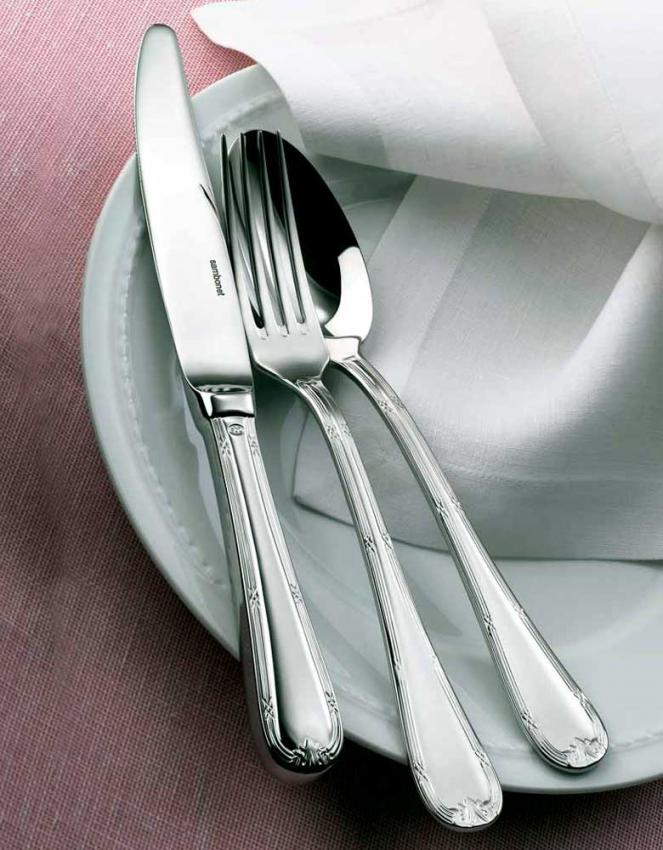
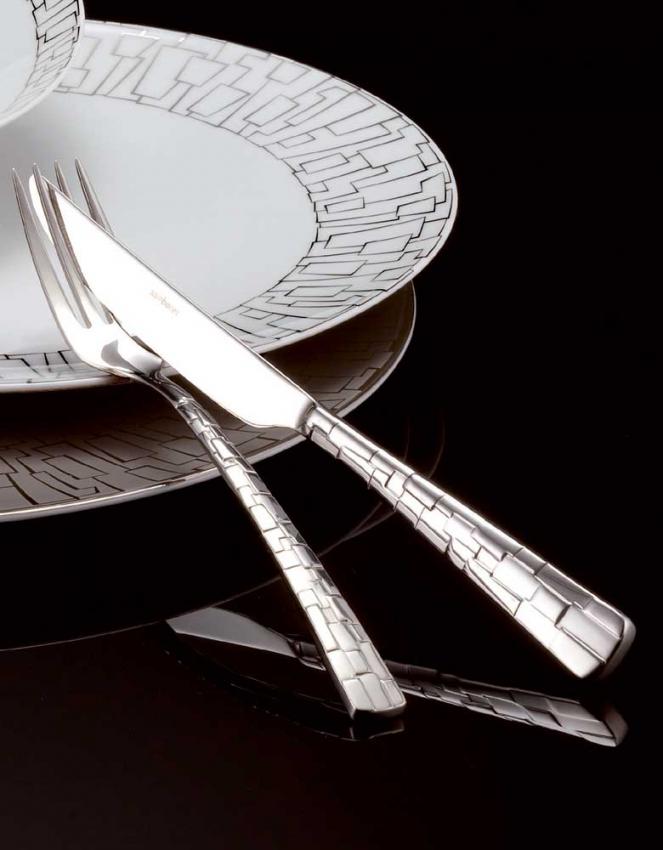
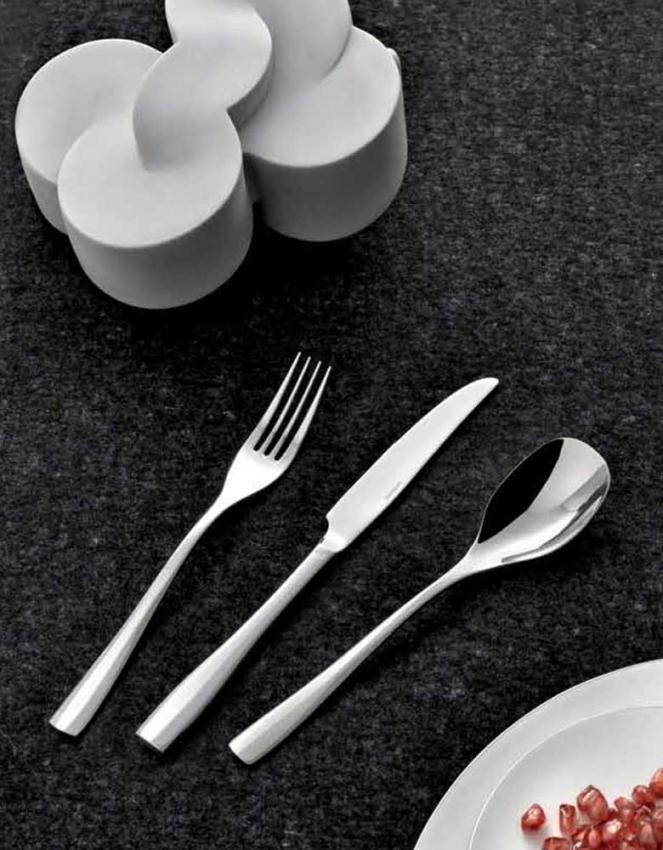
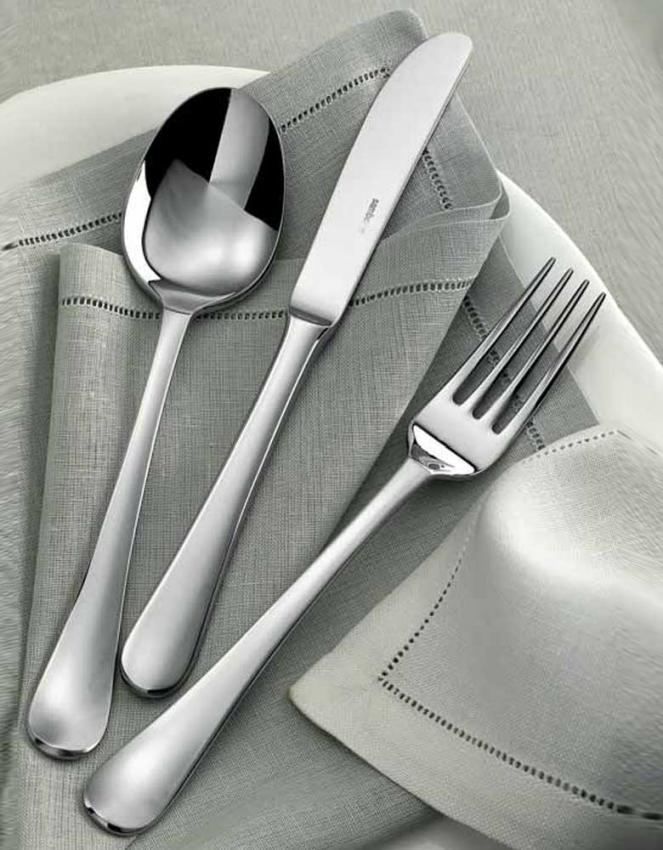
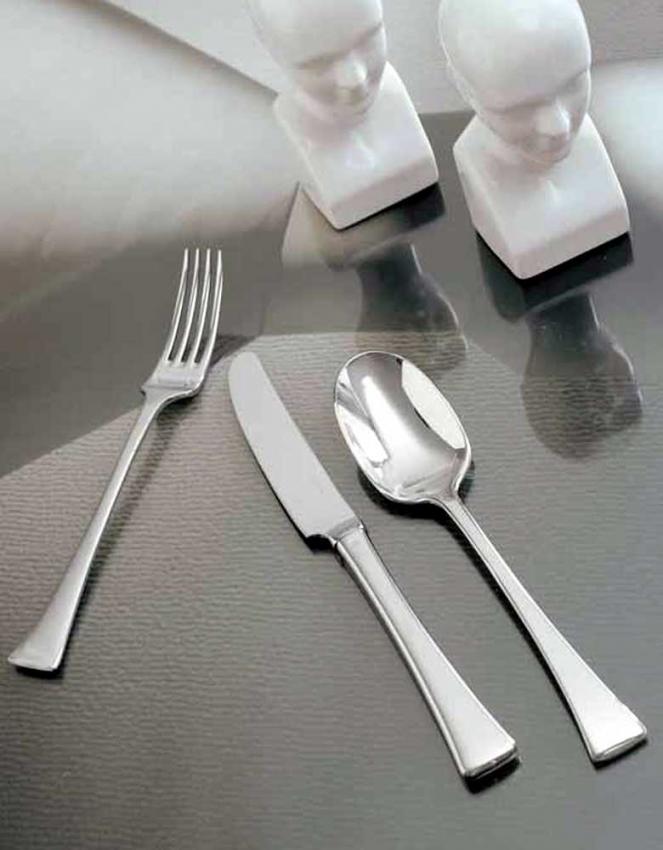
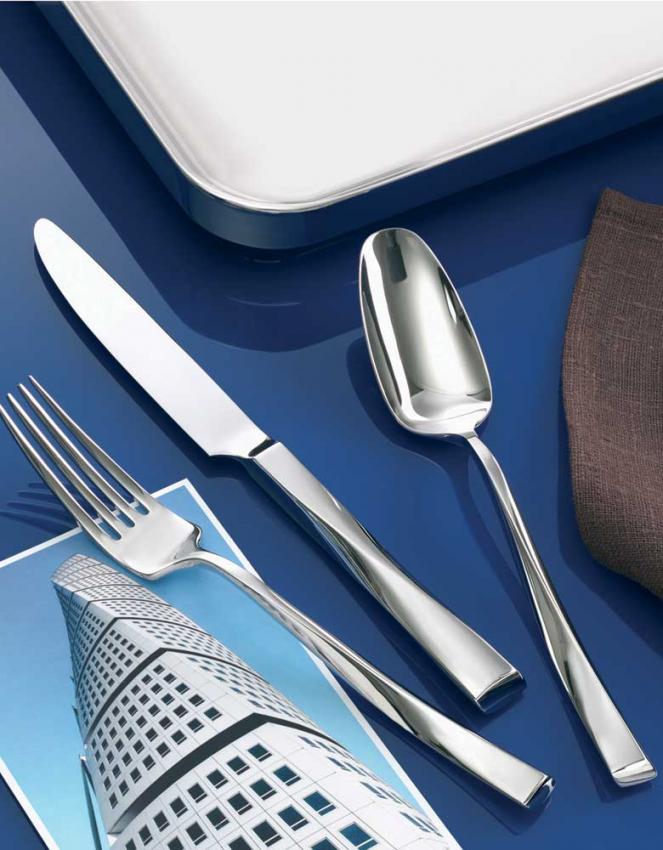
stainless steel are available in many various finishes.
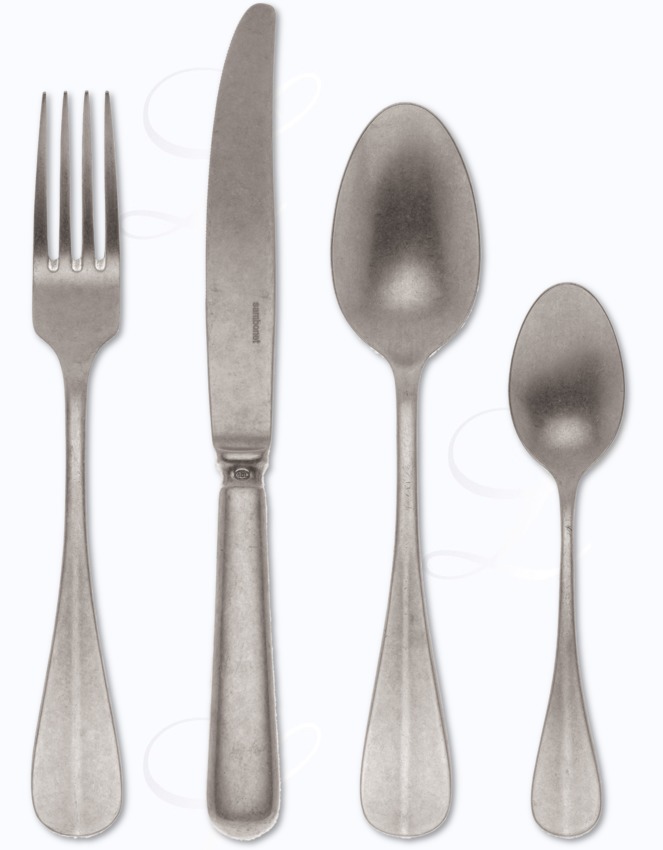
A red-hot subject takes up Sambonet with his vintage editions:
Cutleries which look as if they were in use even for decades.
Baguette vintage, Flat vintage and the designer draught of the architect Gió Ponti from 1932 can be delivered in this style. This cutlery starts a trend and surpass everything that has gone before: trendy and cool!
But this is not the only variation of finish offered by Sambonet: in a physical procedure some cutleries are coated in pitch-black, golden or cupreous as well.
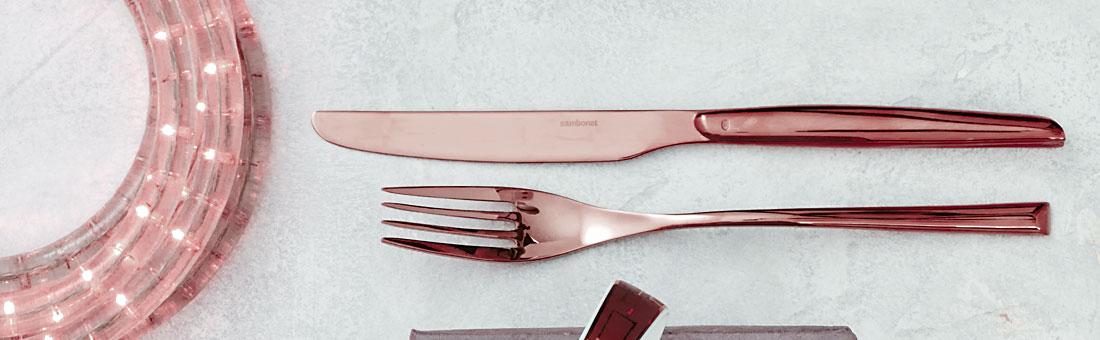
The absolute opposite of the vintage finish but absolute topical are cutleries treated with the Physical vapor deposition - briefly called PVD - in the colour copper. This highly topical tone adds new facets to the highly polished design.
Even without luxurious surface creations the Sambonet cutlery has its absolutely own style. The modern lines are topical Italian design with a slender silhouette.
Already the cutlery Hannah sketched in 1994 by architect Anna Castelli Ferrieri was outstanding by his fluent lines and softy female shapes.
The modern cutlery are a landmark of Italian design with pleasant haptics and slender elegant proportions.
In this style Sambonet made a whole slew of different patterns, most desinged by the in-house development division 'Sambonet Project Center'.
One of these draughts from the own house is the pattern Bamboo which design is based on the organic forms of the bamboo plant:
the soft fluent lines which pass over into each other; the fork scetched in the original design with three prongs and the pointed bamboo leave was pattern for the tip of the steak knife.
Even today most cutlery sets are delivered with the steak knife instead of a dinner knife.
A great success, also made in 18/10 silver plated and in PVD copper.
The pattern H-Art followed with similar lines the great success of this Bamboo pattern, but has knives with a completely different function.
A the heart-shaped section of the handle bottoms makes sure this cultery lays on the table without rolling.
This end lets stand the knife straight on the knife edge like some other modern cutleries, it has a so-called built-in knife rest.
Q is also available in silver plated or in PVD black.
The pattern has the features which are guideline in the architecture since middle of the 20th century until today: straight lines and clear proportions.
With Linea Q these topics are refinded and became a long slender cutlery in a luxuriant material strength which is one-of-a-kind.
Gió Ponti closely is connected with the name Sambonet.
Aside different designs for the Italian cutlery manufactory founded in 1856 he made a pattern in 1932 which is incomparable in his sophisticated objectivity even today.
Unmistakeably this cutlery bears all the marks of the famous architect, just as the Conca penned by the famous architect just 20 years later for Arthur Krupp Milano. At that time, nevertheless, even today an incredible cutlery with handles and bowls joined asymmetrical. Again typical for the Italian architect Gió Ponti the wide handles in almost two-dimensional appearance.
In 2009 Rosenthal in Germany was taken over the Sambonet-Paderno industry and so it mustn't surprise that the pattern fit to dishes of Rosenthal: The pattern of Skin is repeated even 1:1 on a décor of TAC.
Large and cantilevered , with explicit reminiscences to the palaces of the North-Italian princes and dukes:
The traditional cutlery models which cite draughts of the house of 1900 evoke the association of baroque culinary delights.
Typical for the Mediterranean classics is the opulent size and the rich decorated joint between handle and bowl like for example with the pattern Rome. And again in topical PVD gold incredibly opulent: the cutlery Filet Toiras!
Also the twenties of the last century have left their marks in the assortment of the North-Italian enterprise: in first line and absolutely topical the model Baguette, designed and produced in the beginning exclusively for the sleeping car society, the 'Wagon-Lit'.
As one of the nicest functional designes this pattern took off in the course of the decades on its triumphal course.
Continental match this pattern absolutely.
The bell shaped handle and the authentic draught let become this pattern to one of the most popular patterns of the Art Déco during the last 100 years .
experience, the cutlery assortment of Sambonet is diversified and exceedingly approved at hotels and restaurants.
There is no doubt where this cutlery is originated: where princes already 150 years ago dined with cutleries of Sambonet and Italian design is at home today.
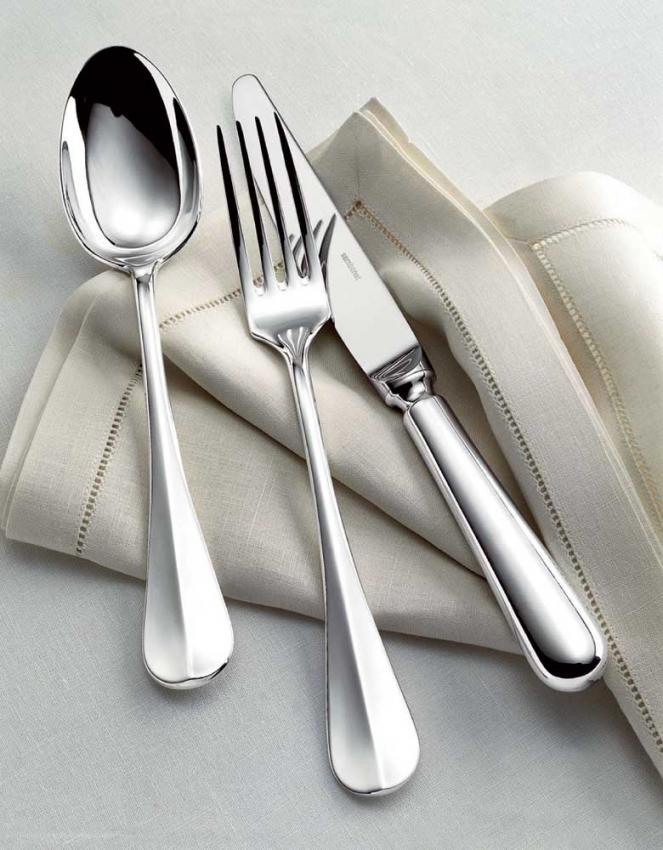
From the assortment of the cutleries in stainless steel the nicest ones have been selected by Sambonet for the galvanic silver plating.
Reminiscences to the beginnings Sambonet in the 19th century are represented here just as the classics from...
High-quality silver plated cutleries with an alpacca core, with designs Giuseppe Sambonet may already have known at his time.
With vaporization of different mineral colours Sambonet achieves thrilling finishes.
And particularly the warm cupreous tone underlines the abstractions of the cutleries.
The rise of the brand Sambonet began in 1856 with Giuseppe Sambonet from Vercelli who was descended from an aristocratic Piemontese family and received after the end of his study in the academy of arts the privilege as a goldsmith's master. On the 15th of May, 1856 he deposits in Turin his mark with the initial 'GS' which later should become a known trademark and synonym for the finest silver. Sambonet supplied with silverware and cutlery the royal family and the ruling houses in Genoa and Turin. Already his father was an approved gold- and silversmith and was entrusted with the restoration of the sacred silver equipment of the cathedral of his hometown Vercelli. In the 20th century the enterprise adapts itself to the technical innovation and the changed needs. In 1930s Sambonet establish as the first enterprise in Italy a production for galvanic silver plating which is pursued parallel to the processing of pure silver. Today the pattern Baroque, Baguette Classic or Laurier from the Classic Collection are testifying from this epoch of the company history. After some years in 1938 the company begins as first in Europe with the production of cutleries of stainless steel and develops the technology of the silver plating of steel. In 1947 the brand begins with the production of blades of stainless steel and during the following years Sambonet succeeds in penetrating into the international market with his various technical achievements. Sambonet is awarded to equip the prestige hotel Hilton in Cairo with his products. The efforts of the brand are supported by the architect Gió Ponti, the artist Roberto Sambonet and Rudolf Dordoni who designed innovative pattern and reinforce the international reputation of the company. Especially prominent are the Pesciera of Robert Sambonet, the Center Piece of Gio Ponti and the trays called Linea 50. These design-pieces by Sambonet are exhibited in the Museum of Modern Art in New York. In 1974 Sambonet took over the Italian branch of the long-established Berndorfer Metallwarenfabrik, Arthur Krupp Milano. This branch of the cutlery factory in Berndorf was already founded in 1924 by Arthur Krupp. For this company Gió Ponti made the design of the cutlery Conca, which was relaunched recently by Sambonet. In the 90s architect Anna Castelli Ferrieri worked for Sambonet and created the collection Hannah who was awarded in 1994 with the popular Compasso d'Oro. After the change to a modern enterprise in 1990 the US-American subsidiary was founded, to spread the Italian style which Sambonet was able to shape. Shortly after in 1997 the enterprise of Sambonet was taken over by Paderno which has become known by his cooking dishes and culinary utensils. Quality and design is topic in the new company furthermore and so the new production plant in Orfengo in the province of Novara was designed by the known architect's office Frigerio Design Group. Today after several enlargements of the production location the company works on 120,000 m² with more than 250 employees. Sambonet maintains the 'Sambonet Project Center' with a group of designers who dispose of the most modern technologies and testing methods for new developments of prototypes. Since 2009 the Italian enterprise all around the dining-culture has taken over the long-established Porcelain brand Rosenthal. In the course of his 150-year-old history the enterprise has developed from a North-Italian workshop to one of the world's leading enterprises for home accessories and dining-culture. Traditions are continued and a lot of space is created for new developments.
However, the most influencing phenomenon in the company history is the artist Roberto Sambonet who designed famous...
A big diversity and variety and characterize the articles of Sambonet which are made for the catering and banqueting.